
Get The latest News About Critical Minerals And REE

Source: CNBC Africa –25 Feb 2026
Angola’s national oil company wants to diversify into critical minerals
LUANDA, – Angolan state-owned oil company Sonangol said on Wednesday that it wanted to diversify into critical minerals as it reported lower net profit last year.
Sonangol made net profit of more than $750 million in 2025, executives told a press conference, compared with about 736 billion kwanzas in 2024, which equates to about $807 million at current exchange rates.
The conglomerate has stakes in dozens of offshore oil and gas blocks and operates refineries and a fleet of ships.

Source: business insider africa – 25 Feb 2026
Canadian mining giant discovers rare earth and critical mineral in Botswana amid U.S.–China supply race
Canadian mineral exploration company Tsodilo Resources Limited has confirmed a significant rare earth and critical minerals discovery in Botswana, positioning Canada within an intensifying global competition led by the United States and China to secure strategic supply chains.
Key Insight: This strategy is particularly significant given that Botswana is widely regarded as one of Africa’s most mining-friendly jurisdictions, offering established infrastructure, a clear regulatory framework and a strong record of partnership between government and the private sector.

Source: mining review Africa –25 Feb 2026
Mining Indaba 2026: Critical minerals competition creates opportunity for Africa
Zack Hartwanger of Open Mineral highlights Africa’s mining opportunities, critical minerals, financing models, and key commodity outlook.
Key Insight: He shared insights on evolving financing models, from equity and export credit to prepayment structures, as well as the strategic importance of cross-border infrastructure projects in unlocking value and improving project viability.

Source:United Nations University Institute for Natural Resources in Africa – 9 Feb 2026
New UNU-INRA report on Critical Minerals
New UNU-INRA report on Critical Minerals Africa Redefining Critical Minerals For A Shared Future: South South Solidarity in Action
Key Insight: In this new report, UNU- INRA highlights that Africa holds nearly 30% of the world’s critical mineral reserves (cobalt, lithium, manganese, copper, nickel, graphite amongst others). It shows that global revenues from copper, nickel, cobalt, and lithium could reach $16 trillion by 2050, with Sub-Saharan Africa positioned for 10%+ of that value. This report launched at COP30 in Belém, shows that pivotal moment for Africa and the Global South to transform mineral wealth into sovereign power, industrialisation, and shared prosperity.

Source: The African Energy Chamber–12 Jan 2026
Africa’s Critical Minerals and the Future of the Global Energy Transition
As the world accelerates its shift from fossil fuels to clean energy technologies, Africa is emerging as a central player in supplying the minerals that underpin this transformation. According to the African Energy Chamber’s (AEC) State of African Energy 2026 Outlook, the continent’s abundant reserves of critical minerals – including cobalt, lithium, copper and platinum group metals (PGMs) – position it at the heart of global supply chains essential for renewable energy deployment and electric vehicle (EV) adoption.

Source: The Conversation Africa –25 Jan 2026
Africa’s critical minerals are a huge economic opportunity: G20 framework sets out ways to seize it
As the world shifts to clean energy, minerals such as lithium, cobalt and manganese have become as important as oil once was. Africa holds large reserves of these critical minerals. Yet they are mostly exported as raw materials, returning as expensive green technologies made in factories overseas. South Africa’s G20 presidency set up a new critical minerals framework that aims to help Africa’s mineral-rich countries benefit more from local processing and manufacturing. Geoscientists Glen Nwaila and Grant Bybee explain what’s needed to extract the minerals safely and turn underground wealth into economic value in Africa.
Key Insight:About 5.9% of copper, 5.6% of nickel, 1% of lithium, and 0.6% of iron ore globally are found in Africa.South Africa has between 80% and 90% of the world’s platinum group metals, and more than 70% of global chromium and manganese resources. These are essential in making components for clean energy technology and electronics.

Source: Reuters – 3 Nov 2025
Resource Disputes Between Investors and States Hit 10-Year High
Investor-state conflicts over mining and critical-mineral rights have surged globally, reflecting the strategic importance of lithium, cobalt, and rare-earth reserves—many in Africa.
Key Insight: ASCTM can highlight how legal clarity and transparent frameworks can prevent such disputes.

Source: Lokmat Times – 31 Oct 2025
India Calls for a “Collaborative, Not Extractive” Partnership with Africa
India urges a new era of cooperation with Africa focused on joint ventures, technology transfer, and local beneficiation of critical minerals like graphite, lithium, and rare earths.
Key Insight: Model partnership ASCTM could promote—prioritizing value addition over raw export

Source: Africanews –9 Oct 2025
Congo Pushes Back Against U.S. Pressure on Critical Minerals
The DRC, home to 70% of the world’s cobalt supply, is resisting external pressure and emphasizing local control over mineral exports and processing.
Key Insight: Reinforces ASCTM’s advocacy for African data ownership and sovereignty in mineral governance.
Source: World Economic Forum – Sept 2025
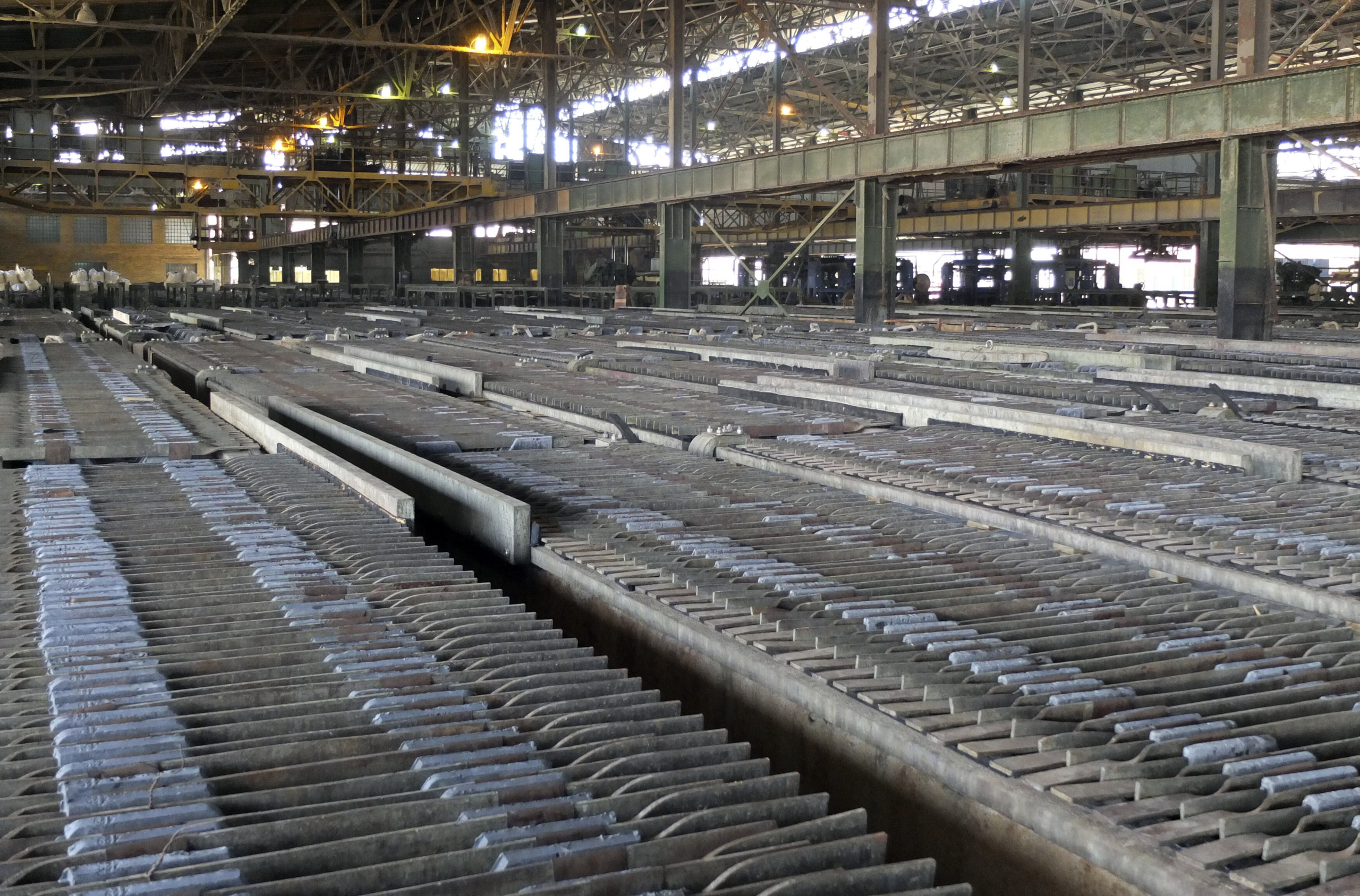
Investing in Southern Africa’s Critical Minerals Vital to Energy Transition
Southern Africa holds around 30% of global reserves for critical minerals used in EVs and renewables—but receives under 10% of global exploration investment.
Key Insight: ASCTM should emphasize investment readiness and regional exploration data access.
Source: Atlantic Council – Oct 2025
Responsible Stewardship Models Can Transform Africa’s Mineral Wealth
Experts call for stronger governance models, sovereign wealth funds, and regional value-chains to ensure mineral wealth benefits African citizens.
Key Insight: Supports ASCTM’s approach to capacity building, policy harmonization, and sustainable industrialization.
Source: Renewable Matter – Oct 2025
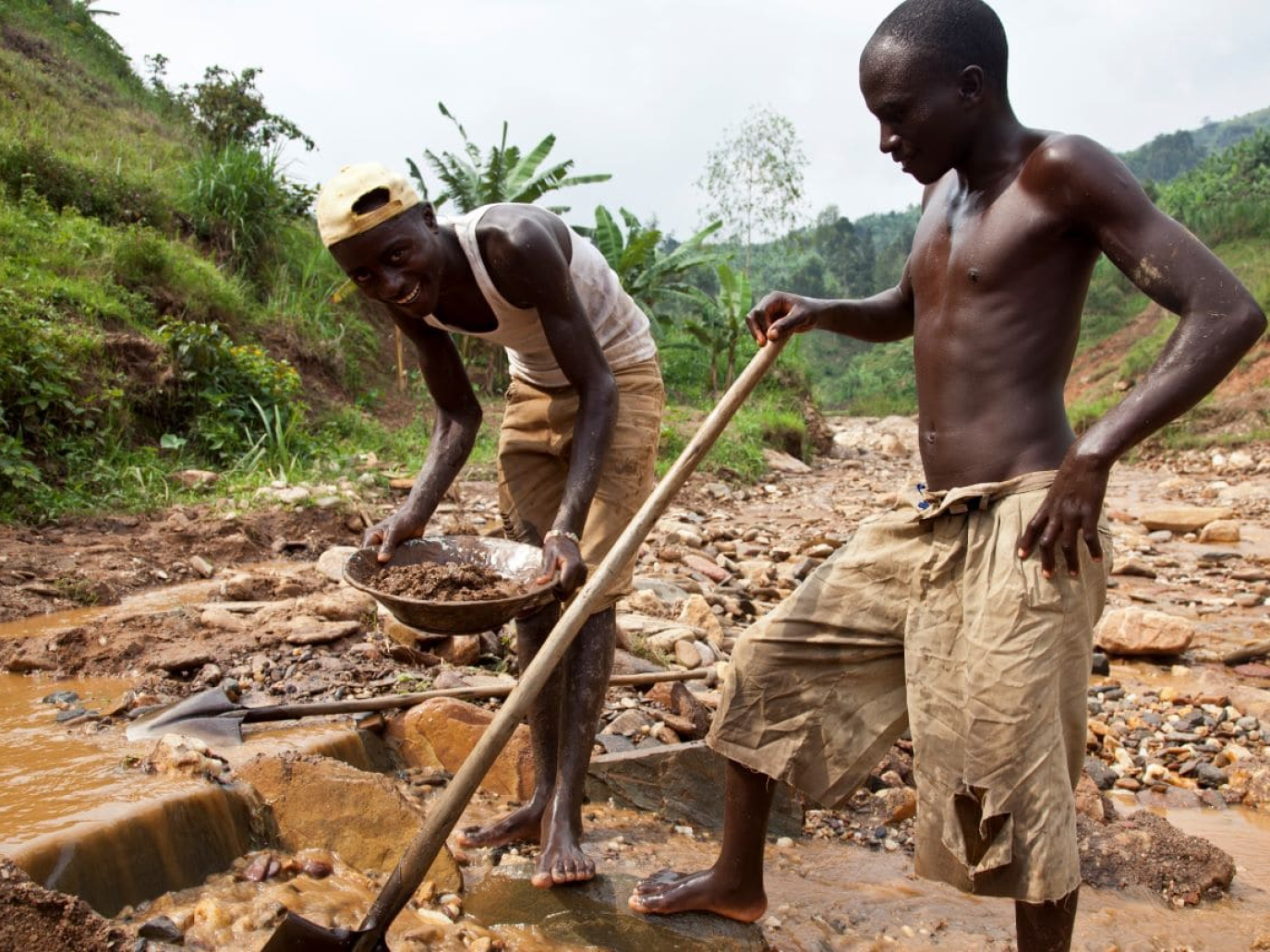
Africa’s Critical Minerals and the Fair Energy Transition
This analysis argues Africa must leverage its mineral endowment for a fair energy transition—through local refining, equitable trade, and green industrialization.
Key Insight: Aligns with ASCTM’s advocacy for “Africa’s voice” in global energy-transition negotiations.